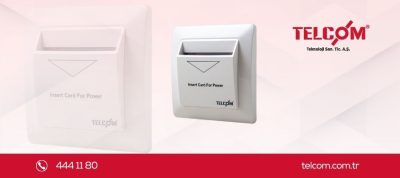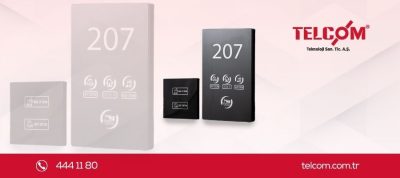


Selecting a fire-resistant card lock system requires careful consideration. This guide walks you through determining the needed fire rating (EI60, EI90), verifying TS EN 1634-1 certifications, ensuring compatibility with door closers and panic bars, and evaluating integration and support. With the right product and a reliable supplier, you’ll secure your property and gain peace of mind.
Telcom’s Coral model card lock features a durable build and certified performance (shown with technical specs like wide operating temperature and long battery life). Choosing a product with proven reliability and support ensures safety and convenience go hand in hand.
If you’re planning to invest in fire-resistant card locks for your hotel or facility, you’ll need to weigh several factors to make an informed choice. These factors include the technical specs of the locks and the trustworthiness of the supplier. Below is a step-by-step guide and checklist to help you select the right lock system and provider.
1. Needs Assessment and Determining Fire Rating Requirements
Start by clearly defining the needs of your project. Conduct a fire safety risk assessment for your property: How many minutes of fire resistance do your doors require? For most hotel room doors, EI60 (60 minutes integrity + insulation) is a common requirement, but certain situations might call for EI90. If your guest room doors open onto escape corridors, local codes typically mandate at least 60 minutes of fire resistance. Therefore, ensure that the lock (when installed on a door) has been tested and certified to the E/EI class you are targeting. For example, if you need an EI60 door set, the lock and its door should have been certified together for EI60 performancetelcom.com.tr.
Also, consider your hotel’s location and building specifics: Is it a seaside property with high humidity and salt exposure? Is it a multi-story building where elevator integration with room locks is desired? Do you have spa or pool areas that might need higher IP-rated locks for moisture resistance? Answering these questions will shape the technical requirements of the lock you choose. A brand with a broad product range like Telcom can offer different models tailored to different needs (for instance, IP65-rated, corrosion-resistant finishes, high-temperature tested electronics, etc.).

2. Certification and Documentation Check
One of the most critical steps in selecting a fire-resistant lock is verifying that the product has the proper certifications and documentation. Always request and examine the following:
- TS EN 1634-1 Fire Test Report: This is evidence that the lock was tested in a fire furnace as part of a specific door set, indicating how long it withstood the test (for example, 60 or 90 minutes). The report should detail the door assembly’s performance (E and EI values) with the lock in place.
- EN 13501-2 Classification Certificate: This official certificate summarizes the fire rating results (e.g., E90, EI60) of the door and lock assembly as determined by an accredited body. In Turkey, for instance, the Turkish Standards Institute (TSE) might issue such a certificate. This document is often required for regulatory approvals and should match your project’s needs.
- EN 1634-2 or Hardware Compliance Statements: If available, look for documentation or declarations about how the lock interacts with other hardware in fire conditions. For example, some manufacturers provide statements or additional test data indicating that using a specific door closer or hinge with the lock does not compromise fire performance.
- Installation Instructions and Compatibility Charts: Proper installation is key to maintaining fire performance. Review the manufacturer’s installation manual and any compatibility charts listing which door materials, frame types, seals, and other hardware are approved for use with the locktelcom.com.tr. For example, a lock might be certified with a particular intumescent seal kit or may require a certain door thickness—details you need to know beforehand.
A reputable supplier will be transparent and forthcoming with these documents. If a vendor is reluctant to provide certification details, consider it a red flag. Telcom, for instance, openly shares test reports and certifications for its products, clearly indicating under what conditions each model was tested. Remember, the only guarantee of a lock’s performance in a fire is the evidence of prior testing and certification.
3. Assessing Door and Hardware Compatibility
A fire-resistant lock system cannot be considered in isolation; it must work hand-in-hand with the door and other hardware. When evaluating options, keep in mind your existing doors and any additional hardware requirements:
- Door Construction and Material: If you plan to install the locks on existing doors, check whether those doors are fire-rated or at least constructed to resist fire (solid core, fire-retardant infill, etc.). Even the best lock won’t confer fire resistance to a non-rated door, so you might need to upgrade doors as part of the project.
- Door Closers: Fire doors must close automatically. It’s essential that any door fitted with a fire-rated lock also has a reliable self-closing device (spring hinges or hydraulic door closers). If your guest room doors don’t currently have closers, budget to add them. Ideally, the lock you choose should have been tested with a door closer installedtelcom.com.tr, ensuring they won’t interfere with each other’s function during a fire.
- Panic Bars / Emergency Egress Hardware: While guest rooms typically don’t use panic bars, larger occupancy spaces in a hotel (like banquet halls or conference rooms) might. If you are securing such areas, you’ll need a lock that is compatible with panic exit devices. Some electronic lock models can work in tandem with panic bars—make sure to verify this compatibility if applicable.
- Smoke Seals and Thresholds: To maintain smoke resistance, many fire doors have smoke intumescent seals around the frame and possibly drop-down seals at the threshold. The lock and latch mechanism should not impede these seals. For instance, ensure the lock’s latch bolt doesn’t prevent the door from fully closing against a seal. Compatibility info from the manufacturer can clarify this.
In essence, the best approach is to opt for a complete fire door set solution when possible. Suppliers like Telcom can often provide or recommend matching components (door, lock, closer, seals, etc.) that have been tested together, or at least guide you on what combinations are known to work. If you’re retrofitting an existing door, pay extra attention to these compatibility details to avoid creating a weak link in your fire safety chain.
4. Technology, Integration, and Features
Your selection criteria shouldn’t stop at fire resistance; consider the lock’s day-to-day functionality and how it fits into your hotel’s operations. Ask yourself and the vendor the following:
- “Will it work with our existing keycards or access system?” If your hotel already uses RFID keycards, the new fire-rated locks should ideally be compatible with them. For instance, Telcom locks support common hotel card standards (so you might not need to re-issue cards). Similarly, consider whether the lock system can integrate with any existing security or access control infrastructure.
- “Does it integrate with our PMS and other systems?” As covered in earlier sections, PMS integration is a major plus for efficiency. Confirm if the lock system offers a Property Management System integration module or APItelcom.com.trtelcom.com.tr. Also, check for integration with other systems, like linking with your building’s fire alarm (to automatically unlock doors or flash a message to guests via a connected app in an emergency, for example).
- “Are mobile keys or advanced access options supported?” If you foresee implementing mobile check-in or digital keys via smartphones, choose a model that includes BLE/NFC capabilities. Similarly, if you need PIN code entry for staff, look at models with keypads. Align the product’s feature set with your present and future plans for hotel technology.
- “Is the system future-proof and updatable?” Electronic lock systems involve software. Over time, you may need updates or new features. Check if the vendor provides software updates, and if the lock’s firmware can be updated or if it uses a cloud service that gets enhancements. A solution that can evolve with your needs will protect your investment longer.
In short, a fire-resistant lock system that’s also “smart” will contribute significantly to your hotel’s modernization and guest satisfaction. Aim for products that check both boxes: uncompromising on safety, and rich in features and integration options.
5. Evaluating the Supplier’s Capabilities and Support
Finally, consider the company from which you’ll buy the locks, as this partnership is crucial for a smooth deployment and ongoing support. Assess the supplier on the following points:
- Experience and References: Has the company implemented similar solutions before? Ideally, they should have references in the hospitality sector. A provider like Telcom, with extensive hotel project experience, will understand the unique challenges of our industry.
- After-Sales Support: Inquire about the level of support provided. Who will handle installation and configuration? Is on-site training for your staff included? If a lock malfunctions in the middle of the night, can you reach support quickly? A good supplier should offer a strong support network, possibly a 24/7 hotline for emergencies, and a quick response time for service calls. Remember, a lock issue directly impacts guests, so swift support is vital.
- Spare Parts and Warranty: Ask about warranty terms (two years is common for electronic locks) and availability of spare parts. You want to be sure that if a component fails outside of warranty, you can get a replacement part promptly rather than replacing the whole lock. Telcom, for example, maintains parts for their models and typically offers a warranty along with guaranteed parts availability for a certain number of years.
- Training and Documentation: A reliable vendor will provide training to your IT/maintenance team and comprehensive documentation (user manuals, troubleshooting guides, etc.). With proper training, your staff can handle minor issues or programming changes without always needing a technician, saving time.
- Transparent Pricing and Scope: Last but not least, review the quote in detail. Ensure you understand what is included: Does it cover installation and configuration, or just the hardware? Are software licenses a separate cost? Any recurring fees (like support contracts or software subscriptions)? The cheapest quote isn’t always the best if it leaves out critical elements that you’ll have to pay for later. Focus on value and reliability over just price. A slightly higher upfront cost is worth it for a robust system and trustworthy partner.
By considering both the product and the provider thoroughly, you will set yourself up for a successful implementation. It’s about finding a quality solution and a partner who will support you through deployment and beyond.
Requesting a Quote and Finalizing Your Decision
After narrowing down your options, the next step is to get detailed proposals from one or more trusted suppliers. When requesting a quote, provide clear information about your project: number of doors, door specifications, required fire rating, any desired integrations or special features, timeline, etc. The more details you give, the more tailored and accurate the quote will be. For example, Telcom’s team can offer a customized proposal including recommended models and an implementation plan once they understand your needs fully.
Remember: The goal is not just to buy a product, but to invest in the safety and security of your property. Spending the time to choose the right fire-resistant lock system can quite literally be a lifesaver in the event of a fire, and it can protect your business from liability and operational hiccups.
If you’re considering Telcom’s certified and integrated solutions, or just need expert guidance, feel free to contact our team or call 444 1180. We’re ready to assist you from the initial planning stages all the way through installation and aftercare. Making the right choice now will ensure you’re well-protected for years to come – a decision you’ll be grateful for should an emergency ever occur.